




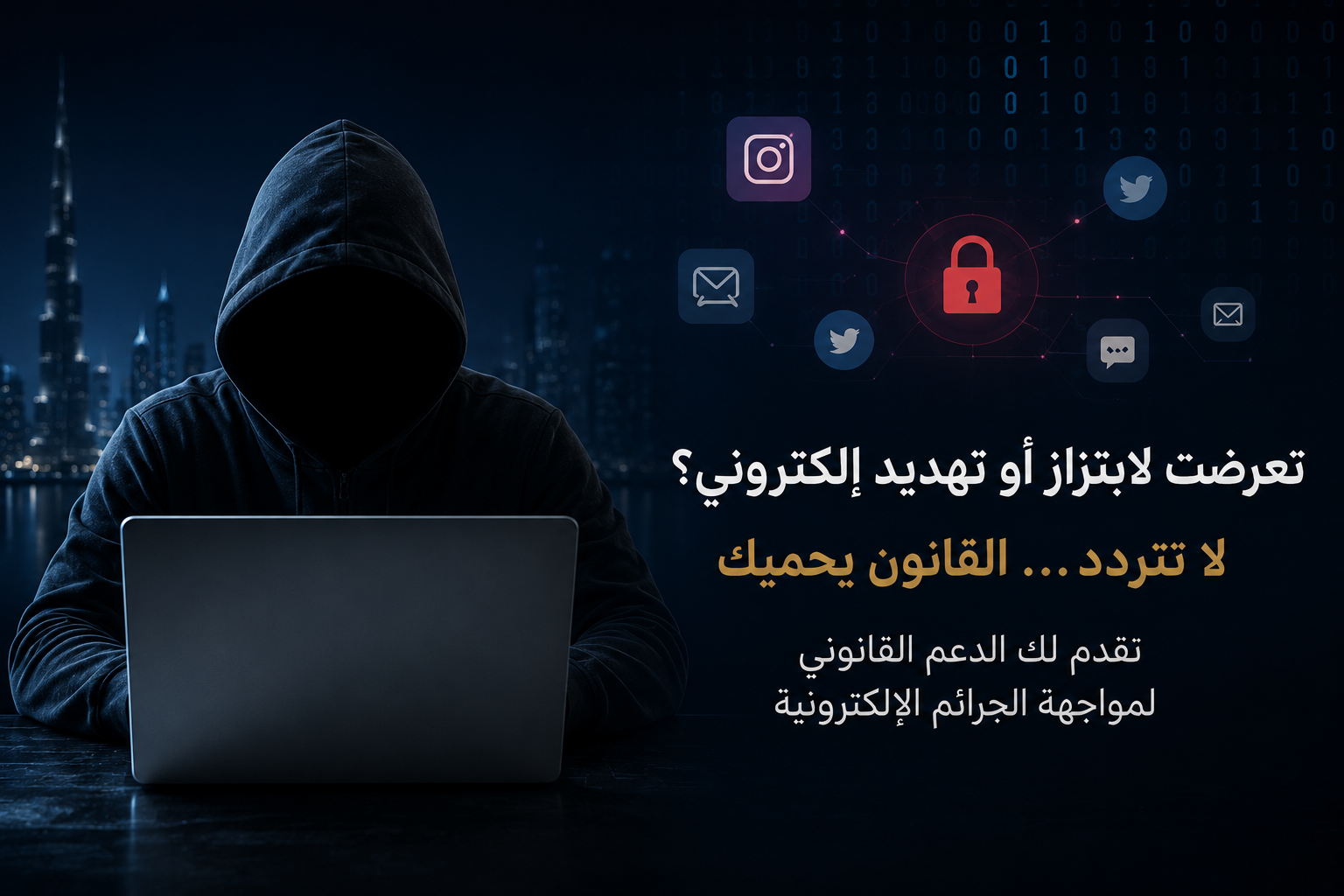
Electronic blackmail has become one of the fastest-growing cybercrimes in today’s digital world. Criminals often use social media platforms, messaging applications, emails, or hacked personal accounts to threaten victims into paying money or complying with unlawful demands.
The United Arab Emirates has adopted strict cybercrime legislation to combat electronic blackmail and protect both individuals and businesses. Victims are encouraged to report incidents immediately, as UAE authorities treat cyber extortion as a serious criminal offense. Under the UAE Cybercrime Law, offenders may face imprisonment and substantial financial penalties depending on the nature of the crime.
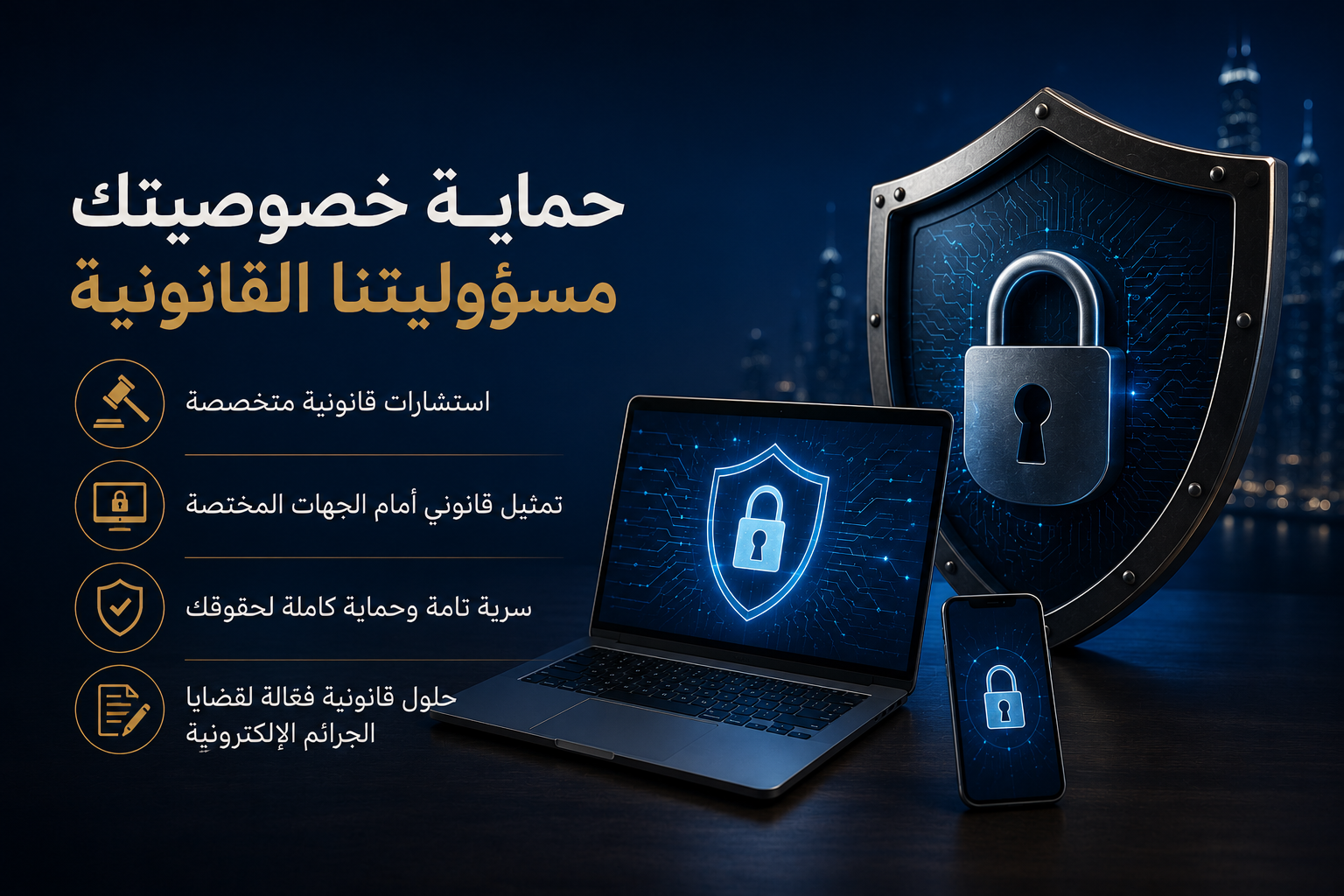
What Is Electronic Blackmail?
Electronic blackmail, also known as cyber extortion, occurs when someone uses digital communication to threaten another person in order to obtain money, personal information, property, or any other benefit.
Common examples include:
- Threatening to publish private photos or videos.
- Demanding money to prevent confidential information from being disclosed.
- Blackmail through WhatsApp, Instagram, Facebook, Snapchat, or email.
- Hacking personal accounts and demanding payment for their return.
- Threatening to damage a person’s reputation unless specific demands are met.
UAE Laws Against Electronic Blackmail
The UAE has enacted comprehensive legislation to combat cybercrime, including electronic blackmail and online threats.
According to Federal Decree-Law No. 34 of 2021 on Combatting Rumours and Cybercrimes, anyone who uses electronic means to threaten or blackmail another person may face severe criminal penalties. In aggravated circumstances—such as threats involving serious crimes or harm to a person’s honor or reputation—the punishment can be significantly increased.
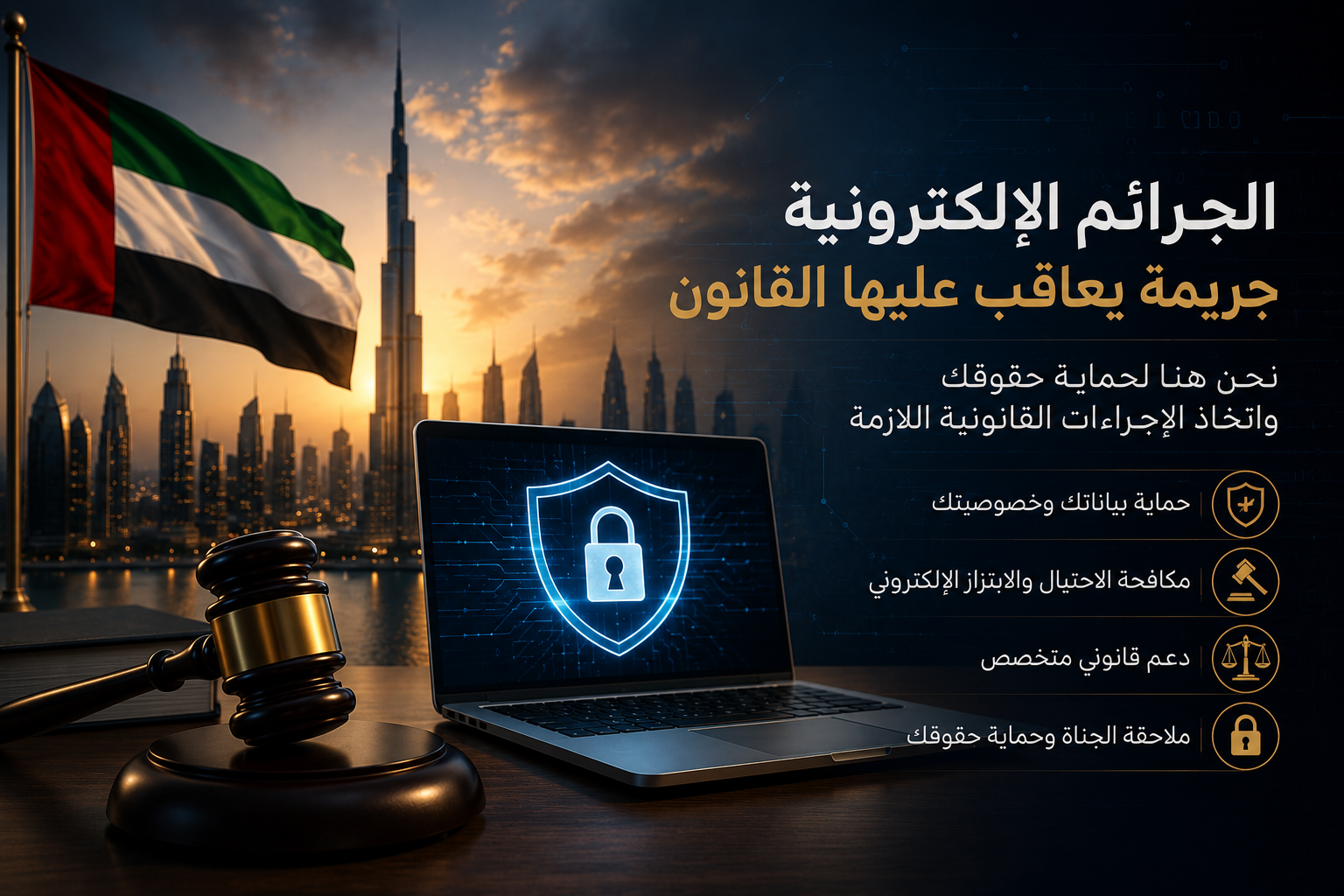
Penalties for Electronic Blackmail in the UAE
Depending on the facts of the case, penalties may include:
- Imprisonment.
- Heavy financial fines.
- Confiscation of electronic devices used in committing the offense.
- Additional criminal sanctions where aggravating circumstances exist.
The severity of punishment depends on factors such as the nature of the threat, the intent of the offender, and the harm caused to the victim.
What Should You Do If You Are Being Blackmailed?
If you become a victim of electronic blackmail, you should:
- Avoid responding emotionally to the blackmailer.
- Never send money or comply with their demands.
- Preserve all evidence, including screenshots, emails, messages, and call records.
- Report the incident to the competent UAE authorities immediately.
- Contact an experienced cybercrime lawyer to protect your legal rights.
Prompt legal action often increases the likelihood of stopping the offender and preventing further harm.
Why Hire a UAE Cybercrime Lawyer?
A qualified lawyer can:
- Evaluate your legal position.
- Assist in filing criminal complaints.
- Communicate with law enforcement authorities.
- Protect your privacy during legal proceedings.
- Represent you before UAE courts.
- Help recover damages where legally available.
Professional legal assistance is especially important in complex cybercrime cases involving digital evidence and cross-border communications.
Why Choose Mohammed Jasem Lawyers?
Mohammed Jasem Lawyers provides experienced legal representation in cybercrime matters, including electronic blackmail, online fraud, digital privacy violations, and internet-related offenses.
The firm’s legal team assists clients throughout every stage of the legal process while maintaining strict confidentiality and protecting their rights under UAE law.
For a detailed legal guide about Electronic Blackmail in the UAE:
Frequently Asked Questions
Is electronic blackmail a crime in the UAE?
Yes. Electronic blackmail is a criminal offense under the UAE Cybercrime Law and may result in imprisonment and significant fines.
Should I pay the blackmailer?
No. Paying the offender often encourages further extortion. Instead, preserve evidence and report the matter immediately.
Can social media messages be used as evidence?
Yes. WhatsApp messages, emails, screenshots, social media conversations, and other digital communications may be used as evidence during investigations and court proceedings if lawfully obtained.
Conclusion
Electronic blackmail is a serious cybercrime that can have devastating personal, financial, and reputational consequences. Fortunately, the UAE has established a robust legal framework to prosecute offenders and protect victims. If you are facing online blackmail or cyber extortion, obtaining immediate legal advice from an experienced UAE lawyer is the best way to safeguard your rights and pursue appropriate legal action.
Comments are closed