





Failing to repay a bank loan or financing facility in the UAE can have serious financial and legal consequences. Depending on the type of financing, the security provided, and the terms of the agreement, the bank or financial institution may take steps to recover the outstanding debt and, where legally permitted, enforce the security provided for the loan.
This may include proceedings relating to the repossession of a financed vehicle or the enforcement of a mortgage over a property.
However, a missed payment does not necessarily mean that the bank can immediately take your car or property without following the applicable contractual, regulatory and legal procedures.
The UAE Central Bank’s consumer-protection framework requires licensed financial institutions to follow specific debt-collection practices and to communicate with customers regarding arrears and the possible consequences of continued non-payment.

What Happens If You Stop Paying a Loan in the UAE?
When a borrower misses loan or financing payments, the account may fall into arrears.
The bank may then contact the borrower to understand the reason for the missed payments and discuss available options for resolving the arrears.
Under the UAE Central Bank’s Consumer Protection Standards, where an account remains in arrears for 30 calendar days after the arrears first arise, the licensed financial institution must communicate with the consumer to establish why the arrears occurred.
If arrears continue for more than 60 calendar days, the financial institution must issue a written notice explaining the status of the account and relevant information concerning the outstanding amounts and the potential consequences of continued non-payment.
Depending on the circumstances, the consequences may include:
- Continued collection procedures
- Additional interest, profit or applicable fees
- Reporting information concerning arrears to a credit information agency
- Enforcement against collateral or security
- Legal proceedings
- Claims against guarantors or co-signers, where applicable
Therefore, ignoring the bank’s communications can make the situation more difficult to resolve.
Can a Bank Repossess Your Car Because of a Loan?
If the vehicle was purchased through vehicle finance or another secured financing arrangement, the financing agreement may give the financial institution security over the vehicle.
If the borrower defaults, the bank or finance company may take steps to enforce its contractual and legal rights.
However, the exact procedure depends on the financing agreement, the security arrangement and the applicable UAE laws and procedures.
A borrower should therefore not assume that a bank can simply take a vehicle without following the required process.
The Central Bank’s consumer-protection rules recognize the potential sale or enforcement of collateral as one of the consequences that may arise from continued non-payment.
Can a Bank Take Your Property Because of a Mortgage?
A residential mortgage is different from an ordinary unsecured personal loan because the property may serve as security for the financing.
Where mortgage payments are missed and remain outstanding without an alternative repayment arrangement, the UAE Central Bank’s Consumer Protection Standards require licensed financial institutions to notify the consumer in writing about the potential for legal proceedings for collection and proceedings for repossession of the property.
This does not mean that the bank can automatically transfer ownership of the property to itself merely because one payment has been missed.
Mortgage enforcement involves legal and procedural steps, and the specific position depends on the financing agreement, the security registered over the property and the applicable enforcement procedures.
Does Selling the Property Automatically Cancel the Debt?
Not necessarily.
One of the important points for borrowers with residential mortgage financing is that the sale or repossession of the property may not always eliminate the entire outstanding debt.
The Central Bank’s Consumer Protection Standards expressly require the borrower to be informed that, depending on the circumstances, the borrower may remain liable for an outstanding balance after the property is repossessed and disposed of, even after considering the sale proceeds and applicable interest or profit, fees and legal or selling costs.
For example, if the outstanding financing exceeds the net amount recovered from the sale of the secured property, a remaining balance may still be payable, subject to the applicable contract and legal proceedings.
This is why borrowers should obtain a clear statement of the outstanding liability before assuming that surrendering or selling the secured asset will automatically settle the entire debt.
What Notice Should the Bank Give You After Loan Default?
The UAE Central Bank’s debt-collection standards require licensed financial institutions to follow defined communication procedures.
For accounts that remain in arrears for more than 60 calendar days, the written notice should include information such as:
- The date on which the account entered arrears
- The number and total amount of missed payments, where applicable
- The amount of arrears
- The applicable interest or profit rate
- Applicable fees
- Contact information for the responsible department or authorized collection agent
- The possible consequences of continued non-payment
These consequences may include the potential sale of collateral, legal proceedings, demands against guarantors or co-signers and continued accumulation of applicable charges.
Can a Bank Keep Calling You About the Debt?
Banks and licensed financial institutions can communicate with customers regarding overdue payments, but collection communications must comply with applicable consumer-protection requirements.
The Central Bank’s standards require communications concerning arrears to be proportionate and not excessive. They also restrict certain methods and times of contact, including rules concerning visits to a consumer’s home or workplace and telephone contact.
A financial institution may also appoint an authorized collection agent. In that situation, the consumer should be informed about the identity of the relevant agent and the authority granted to that agent.
What Should You Do If You Cannot Pay Your Loan?
If you are experiencing genuine financial difficulties, it is generally better to contact the bank before the arrears become significantly worse.
Depending on the circumstances, you may discuss options such as:
- Restructuring the financing
- Adjusting the repayment schedule
- Negotiating a repayment arrangement
- Settling part of the outstanding amount
- Requesting a temporary payment arrangement
- Obtaining a statement showing the complete outstanding liability
The Central Bank’s current framework places obligations on financial institutions to support customers experiencing financial difficulties, including mechanisms for financial restructuring, credit-product modification and adjusted payment plans.
A borrower should keep written records of communications with the bank, settlement proposals, payment receipts and any documents relating to the financing.
Can You Negotiate With the Bank Before Legal Proceedings?
In many cases, communication with the bank at an early stage can be important.
A borrower may seek to negotiate a settlement or restructuring arrangement before the matter progresses further.
The Central Bank’s framework requires licensed financial institutions, to the extent reasonably possible, to discuss financial difficulties with consumers before proceeding with collection efforts, redemption of collateral or guarantees, and/or legal proceedings.
Any settlement should preferably be documented in writing.
The borrower should also carefully check whether the proposed settlement fully releases the debt and any related guarantees or security, rather than assuming that making a particular payment automatically closes the matter.
What If the Bank Has Already Started Legal Proceedings?
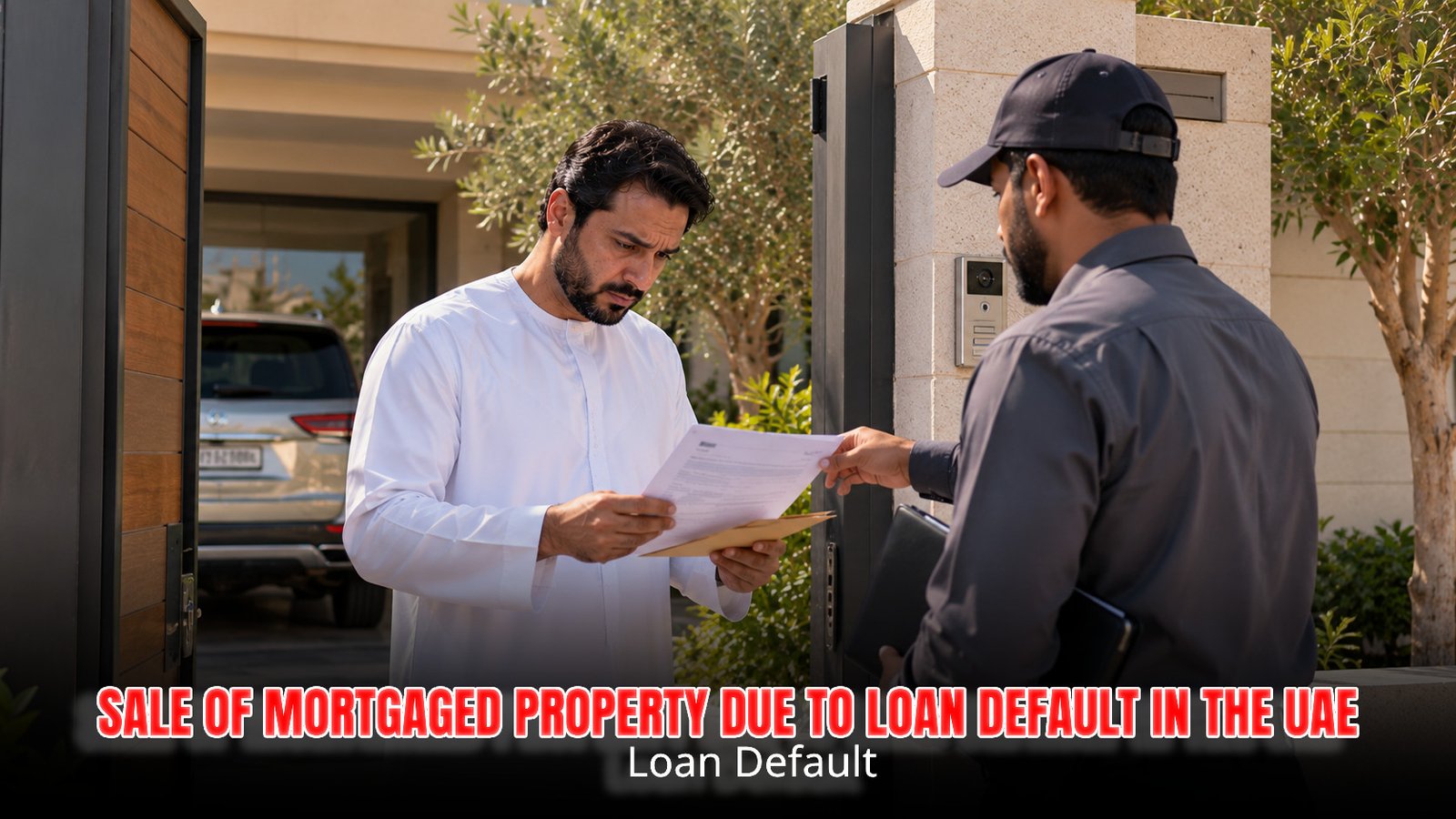
If legal proceedings have already been initiated, the situation requires immediate attention.
The borrower should obtain and review:
- The original loan or financing agreement.
- The payment history.
- The current outstanding balance.
- Any notices of default or demand letters.
- Any settlement or restructuring proposals.
- Documents relating to the secured asset.
- Any court or enforcement documents received.
The appropriate response will depend on the type of proceeding, the amount claimed, the contractual terms and the stage reached in the case.
A lawyer can review the documents and determine whether there are grounds to challenge the amount claimed, negotiate a settlement, request an appropriate payment arrangement or take another legally available step.
What If the Bank Wants to Repossess My Car?
If the financing relates to a vehicle, do not ignore communications from the bank or finance company.
Instead, request written clarification regarding:
- The total outstanding balance
- The amount of overdue instalments
- Any applicable fees
- The legal and contractual basis for enforcement
- The status of the vehicle financing
- Whether a settlement or restructuring option is available
- What will happen to any remaining debt after the vehicle is sold
The answer can be materially different depending on whether the vehicle is subject to secured financing, how the financing agreement was structured and whether legal or enforcement proceedings have already commenced.
What If the Bank Wants to Repossess My Property?
For a mortgaged property, the borrower should obtain professional legal advice as soon as possible if default proceedings have started.
The Central Bank’s Consumer Protection Standards specifically require written notification concerning the potential for legal proceedings for debt collection and property repossession in the case of residential mortgage defaults where payments remain outstanding and no alternative arrangement has been made.
The borrower should determine:
- The exact amount outstanding
- Whether the mortgage is registered over the property
- Whether a formal default has been declared
- Whether court or enforcement proceedings have commenced
- Whether restructuring is available
- Whether a negotiated settlement is possible
- Whether the expected sale proceeds would cover the outstanding liability
Can You Challenge the Amount Claimed by the Bank?
If the borrower believes that the bank’s calculation is incorrect, the issue should be raised promptly and supported by documents.
Possible issues may include:
- Incorrect payment allocation
- Unexplained fees
- Incorrect interest or profit calculations
- Payments that have not been credited
- Disagreement regarding settlement figures
- Disputed contractual charges
- Errors in the outstanding balance
Licensed financial institutions are required to provide consumers with clear information regarding their financial products and services and to deal with consumer complaints through appropriate procedures.
If the dispute cannot be resolved directly with the financial institution, the borrower may consider the applicable complaint and legal channels.
Does Loan Default Affect Your Credit Record?
Continued arrears can have consequences beyond the immediate collection process.
The Central Bank’s debt-collection framework identifies the potential sharing of information concerning arrears with the relevant credit information agency as one possible consequence of continued non-payment.
This can make obtaining future credit or financing more difficult, depending on the individual’s credit history and the policies of the relevant financial institution.
For this reason, borrowers should address payment difficulties as early as possible rather than waiting until enforcement proceedings begin.
What Documents Should You Keep?
If you are facing a loan default, keep a complete file containing:
- Loan or financing agreement
- Mortgage or vehicle financing documents
- Payment receipts
- Bank statements
- Correspondence with the bank
- SMS and email notifications
- Default notices
- Settlement offers
- Restructuring proposals
- Statements showing the outstanding balance
- Court or enforcement documents
These documents can be important when negotiating with the bank or assessing the legal position.
Can a Lawyer Help Stop the Repossession of a Car or Property?
Legal advice can be particularly important when the bank has moved from ordinary collection activity to formal enforcement.
A lawyer may review the financing documents, assess the claimed debt, examine the security arrangement and determine what legal or settlement options may be available.
Depending on the circumstances, the legal strategy may involve negotiation, restructuring, settlement discussions, challenging a disputed amount or responding to judicial or enforcement proceedings.
The appropriate course of action depends on the specific facts and documents of each case.
Frequently Asked Questions
Can the bank take my car if I miss one payment?
A single missed payment does not necessarily mean that the bank can immediately repossess the vehicle. The consequences depend on the financing agreement, the extent of the default and the applicable legal procedures.
Can the bank take my house if I cannot pay the mortgage?
Mortgage default can lead to legal proceedings and enforcement against the mortgaged property, subject to the applicable contractual and legal procedures. The Central Bank requires written notification concerning the potential for collection proceedings and property repossession in the circumstances covered by its standards.
Will selling my property clear my entire mortgage debt?
Not necessarily. Depending on the circumstances, an outstanding balance may remain after the property is sold and the proceeds are applied to the financing and related amounts.
Can I negotiate with the bank after I default?
You may approach the bank to discuss restructuring, an adjusted payment arrangement or settlement. The Central Bank framework requires financial institutions to have mechanisms for supporting customers facing financial difficulties.
Can the bank use a debt collection company?
A licensed financial institution may appoint an authorized third party to assist with debt collection, but applicable disclosure and communication requirements must be followed.
What should I do if I receive a legal notice from the bank?
Do not ignore it. Obtain the complete documents, verify the amount claimed and seek legal advice promptly, particularly if the notice relates to court proceedings, enforcement, a mortgage or a secured vehicle.

Conclusion
A loan default in the UAE can lead to serious financial and legal consequences, including collection procedures, enforcement of security and, in appropriate cases, proceedings relating to the repossession or sale of a financed vehicle or mortgaged property.
However, the process is governed by contractual, regulatory and legal requirements. A borrower facing financial difficulties should communicate with the bank as early as possible, request a clear statement of the outstanding liability and explore restructuring or settlement options where available.
If the matter has progressed to formal legal or enforcement proceedings, obtaining advice from a qualified UAE legal professional can help the borrower understand the claim, assess the available options and respond within the applicable procedures and deadlines.
Legal Disclaimer: This article provides general legal information about loan defaults, vehicle financing and mortgage enforcement in the UAE. It does not constitute legal advice and does not replace an assessment of the specific financing agreement, documents and circumstances of an individual case.
Comments are closed