





The UAE has introduced a new regulatory framework aimed at strengthening digital safety and protecting children and teenagers from risks associated with unsafe use of social media platforms.
The framework establishes a minimum age for creating and managing personal social media accounts and introduces additional protection measures for younger users.
According to the information published regarding the new framework, the minimum age for creating personal social media accounts is 15 years, while users between the ages of 15 and 16 are subject to additional safety and protection measures.
The regulations are intended to balance children’s access to technology with the need to protect them from inappropriate content, excessive screen time, unknown users, and other online risks.
What Is the UAE’s Decision on Children’s Use of Social Media?
The new UAE framework does more than establish a minimum age for social media accounts.
It also addresses:
- Age verification.
- Protection of children’s personal data.
- Additional safety measures.
- Parental controls.
- Restrictions on certain high-risk features.
- Responsibilities of social media platforms.
- Measures designed to protect children from inappropriate online content.
The overall objective is to create a safer digital environment while allowing children and teenagers to benefit from technology appropriately.
What Is the Minimum Age for Social Media in the UAE?
The framework establishes 15 years as the minimum age for creating personal social media accounts on the platforms covered by the regulation.
Children under 15 are therefore not permitted to create, use, or manage personal accounts on the covered social media platforms.
The restrictions may also extend to key social features, including:
- Posting.
- Commenting.
- Sharing.
- Public interaction.
- Participation in open social spaces.
This means that the regulation is not limited to preventing children from opening new accounts but also addresses access to core social media functions.
What About Children Between 15 and 16 Years Old?
The framework does not impose a complete ban on social media use for this age group.
Instead, users between 15 and 16 years old may use covered social media platforms subject to additional protection measures.
These measures may include:
- Age-appropriate content restrictions.
- Restrictions on certain high-risk features.
- Reduced interaction with unknown users.
- Controls over usage times.
- Parental control tools.
- Stronger messaging and interaction safeguards.
- Additional protection against age-inappropriate content.
This creates a distinction between children under 15 and teenagers between 15 and 16.
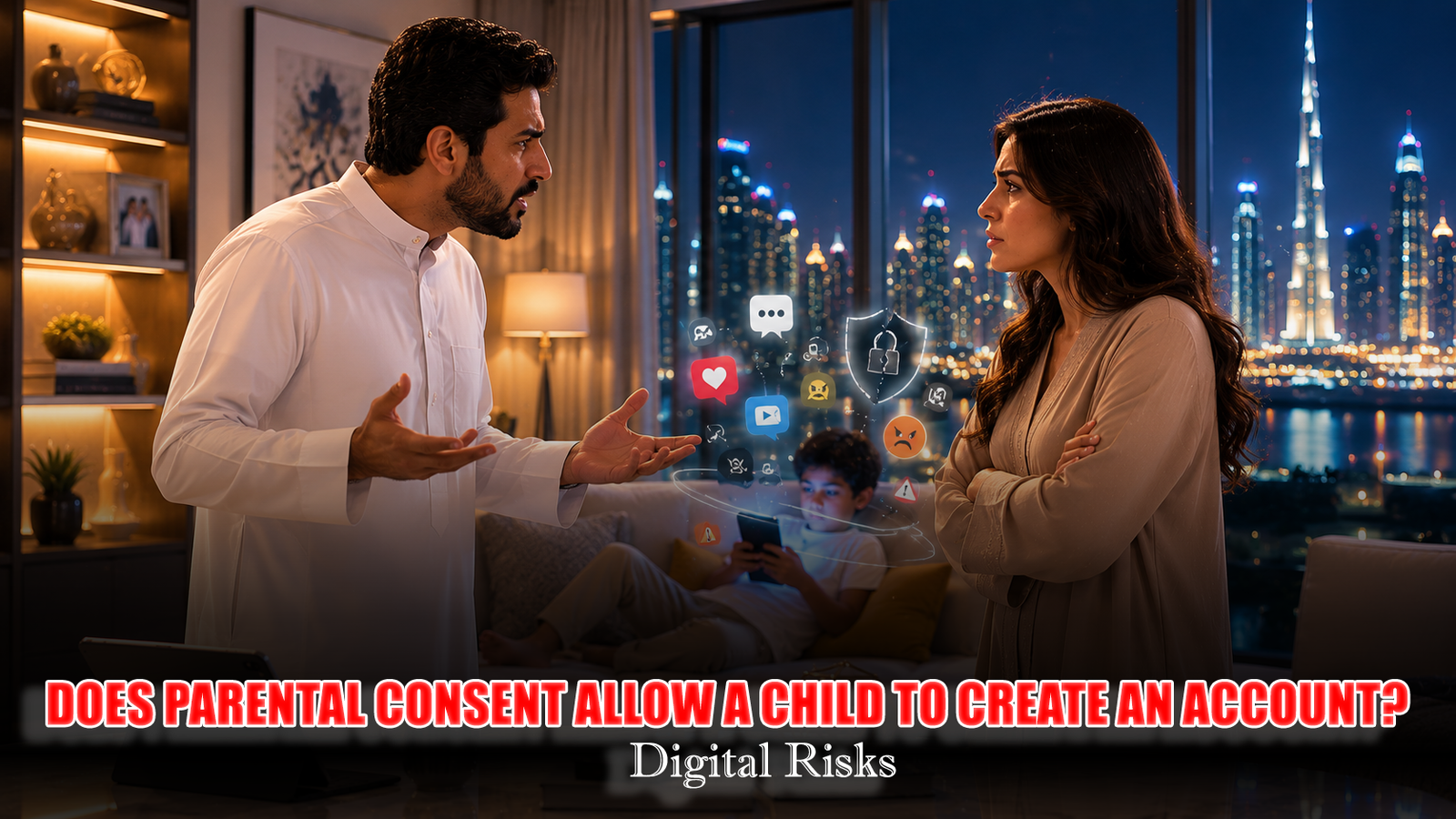
Can Parental Consent Allow a Child Under 15 to Use Social Media?
Parental consent alone does not override the minimum age restrictions established by the framework.
The minimum age requirement operates as a regulatory rule, meaning that simply obtaining permission from a parent does not create an automatic exception for a child below the specified age.
Parents and guardians can, however, use parental control tools and appropriate settings for children who are legally permitted to access the platforms.
How Will Social Media Platforms Verify a User’s Age?
Age verification is one of the key elements of the new regulatory framework.
Social media platforms may be required to use effective and reliable mechanisms to determine the age of their users.
Depending on the approved framework, verification methods may include:
- Digital identity systems.
- Official identity verification.
- Age-estimation technology.
- Certain biometric technologies.
- Artificial intelligence-based solutions.
- Licensed age-verification service providers.
Simply allowing users to enter their own age may not be considered sufficient for age verification under the applicable requirements.
Which Social Media Platforms Are Covered?
According to the information currently published regarding the framework, the initial group of covered social media platforms includes:
- X
- Snapchat
- TikTok
Covered platforms are expected to comply with the applicable age-verification and child-protection requirements.
Why Has the UAE Introduced a Minimum Age for Social Media?
The regulations are part of a broader effort to strengthen online safety for children as internet access, smartphones, and social media become increasingly integrated into everyday life.
Protecting Children from Inappropriate Content
Children may encounter content that is unsuitable for their age or stage of development.
Age restrictions and content controls are intended to reduce this exposure.
Reducing Interaction with Strangers
Social media platforms can allow children to communicate directly with people they do not know.
Additional safeguards can help reduce these risks.
Managing Screen Time
The framework includes measures designed to help regulate how and when younger users interact with social media platforms.
Strengthening the Role of Parents
The regulations do not eliminate the role of parents.
Instead, they provide additional tools that can help parents and guardians monitor children’s permitted online activities and adjust appropriate settings.
Creating a Safer Digital Environment
The broader objective is to allow children to benefit from technology while reducing the risks associated with early and uncontrolled social media use.
What Happens to Existing Accounts of Children Under 15?
Under the published explanations, children under 15 will not be permitted to continue owning or operating personal accounts on the covered social media platforms.
Users between 15 and 16 may continue using the platforms subject to enhanced protection measures.
The framework also provides for a transition period of up to 12 months, allowing platforms to adapt their systems and procedures before full implementation.
Does the UAE Ban Children from Using the Internet Completely?
No.
The regulations do not amount to a complete ban on children’s access to the internet or technology.
The focus is specifically on social media platforms and their associated social features.
Children can continue to use technology and the internet for purposes such as:
- Education.
- Learning.
- Research.
- Developing digital skills.
- Appropriate entertainment.
The objective is to encourage safer and more balanced digital use rather than prevent children from accessing technology altogether.
What Is the Role of Parents Under the New Regulations?
Parents and guardians have an important role in helping children develop healthier digital habits.
Families can support children by:
- Teaching them about online risks.
- Establishing reasonable screen-time limits.
- Using available parental control tools.
- Monitoring age-appropriate content.
- Encouraging sports and social activities.
- Providing educational and recreational alternatives.
- Teaching children not to share personal information with strangers.
A gradual transition toward healthier digital habits can be more effective than relying solely on restrictions.
How Must Social Media Platforms Protect Children?
Social media platforms have important compliance responsibilities under the regulatory framework.
These may include:
- Verifying users’ ages.
- Preventing children below the minimum age from creating accounts.
- Applying additional protection measures to younger users.
- Preventing attempts to bypass age-verification systems.
- Protecting children’s personal data and privacy.
- Providing parental control tools.
- Conducting child-safety risk assessments.
- Providing compliance reports where required.
These requirements place greater responsibility on platforms to create a safer online environment for younger users.
What About Children’s Privacy and Personal Data?
Privacy is a particularly important issue because age verification may involve sensitive information and advanced technologies.
The regulatory framework emphasizes that age-verification mechanisms should be proportionate and privacy-conscious.
Platforms should use only the data necessary for verification and avoid retaining sensitive information for longer than necessary.
This is particularly important where age verification involves digital identity, biometric technologies, or artificial intelligence-based systems.
Are There Penalties for Social Media Platforms That Fail to Comply?
The framework establishes mechanisms for regulatory supervision and enforcement.
Depending on the circumstances and applicable rules, enforcement measures may include administrative sanctions or partial or complete blocking in cases where such measures are legally justified.
The competent authorities are responsible for taking appropriate enforcement action under the applicable regulatory framework.
When Will the New Social Media Rules Take Effect?
According to the published information, the framework enters into force after its publication in the Official Gazette.
Social media platforms may receive a transition period of up to 12 months to modify their systems and procedures to comply with the new requirements.
Therefore, it is important to distinguish between the issuance of the regulation and the full technical implementation of all requirements across different platforms.

Frequently Asked Questions
Has the UAE banned social media for children?
The UAE has regulated children’s access to social media and established 15 as the minimum age for personal accounts on covered platforms, with additional safeguards for users between 15 and 16.
Can a child under 15 create an Instagram account?
Under the framework, children under 15 are not permitted to create, use, or manage personal accounts on covered social media platforms.
Can parental permission allow a child under 15 to open an account?
Parental consent does not by itself create an exception to the applicable minimum-age restrictions.
Does the regulation include TikTok?
Yes. TikTok is among the platforms identified as covered under the current framework, together with X, Facebook, Instagram, and Snapchat.
Does the regulation include Instagram and Snapchat?
Yes. Both Instagram and Snapchat are included among the platforms identified under the current framework.
Can a 15-year-old use social media in the UAE?
Users between 15 and 16 may use covered platforms subject to additional protection measures and age-appropriate restrictions.
How will social media platforms know the user’s age?
Age verification may involve digital identity, identity verification, age-estimation technologies, artificial intelligence-based solutions, and other approved verification mechanisms.
Does the UAE ban children from using the internet?
No. The framework regulates children’s access to social media platforms and related social features; it does not prohibit children from using the internet or technology for education, learning, and other appropriate purposes.
UAE Moves Toward a Safer Digital Environment for Children
The regulation of children’s access to social media represents an important step toward strengthening digital safety and child protection in the UAE.
The framework does not rely solely on age restrictions. It combines age verification, privacy protection, restrictions on high-risk features, parental controls, and greater responsibilities for social media platforms.
As the transition period progresses, additional technical and operational details may clarify how the requirements will be implemented across different platforms.
For parents, children, and social media companies, understanding the new rules is essential to ensuring compliance and promoting a safer and more responsible digital environment.
Comments are closed